
How to Prevent Ingrown Hairs After a Brazilian, Bikini, or Body Wax
Ingrowns talk always come up in the wax room eventually. Sometimes it’s right away. Sometimes it’s halfway through the appointment, when a client lowers their voice and says, “Okay… can I ask you something kind of gross?” So hey… First, you can ask. Second, it’s not gross. It’s skin, hair, friction, sweat, timing, and sometimes a little bit of your leggings betraying you.
Ingrown hairs after waxing can happen on the bikini line, Brazilian area, underarms, legs, back, chest, and pretty much anywhere hair grows back through the skin. They’re common, they’re annoying, and they’re usually manageable with the right routine. Not an aggressive scrub-everything-into-oblivion routine. Not ten products fighting for attention on your shower ledge. Just steady, realistic aftercare that helps your skin stay calm while the hair grows back in.
For San Diego clients who live in swimsuits, workout clothes, beach coverups, and “I might go to Mission Bay later” outfits, ingrown hairs can feel especially rude. You waxed because you wanted smooth skin, not a tiny red bump making a surprise appearance right before a beach day. So let’s talk about what’s actually happening, what causes ingrowns after a Brazilian wax, bikini wax, or body wax, and what really helps prevent them. No shame. No panic. No bathroom-surgery energy.
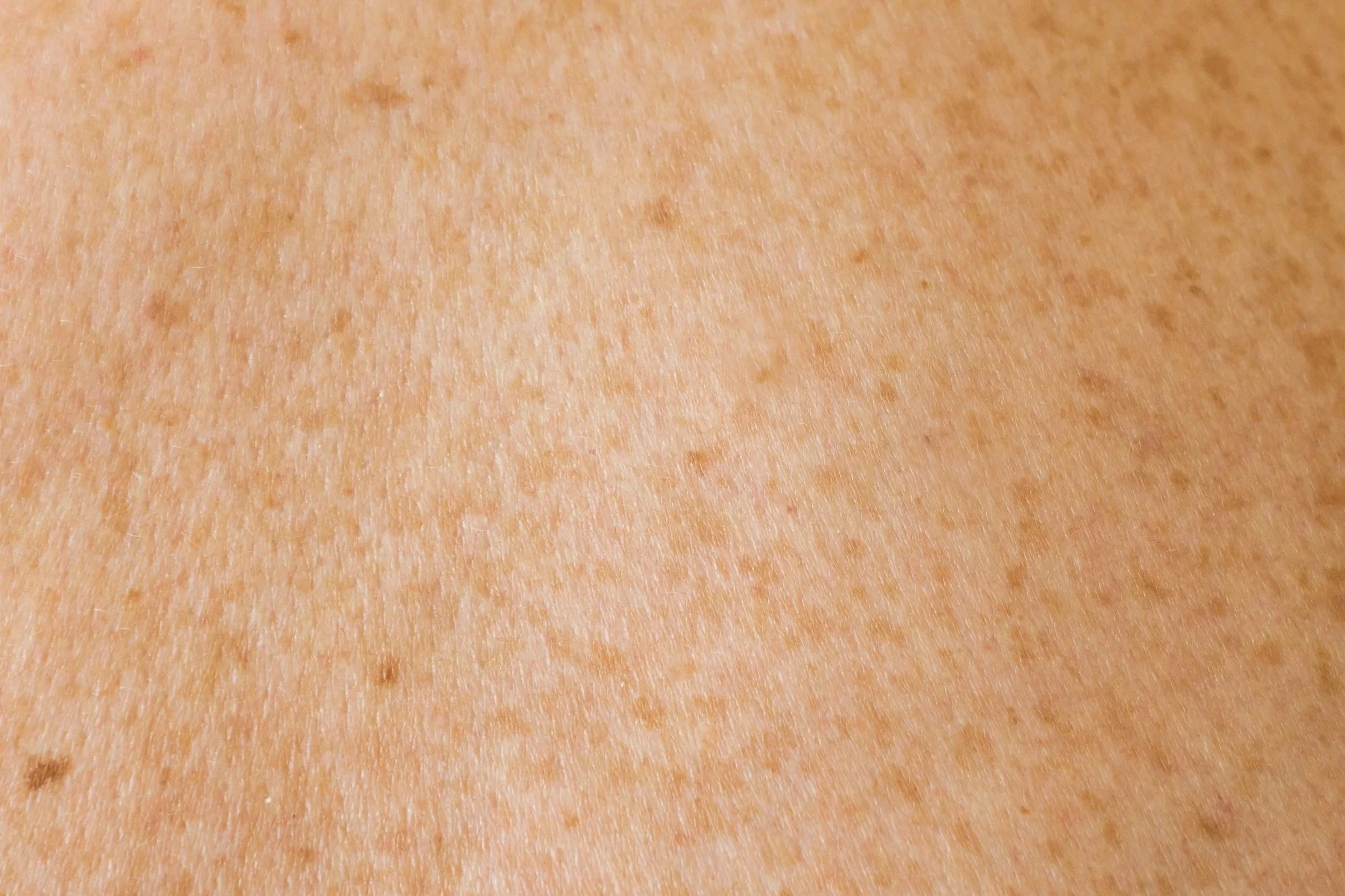
What an Ingrown Hair Actually Is
An ingrown hair happens when a hair grows back into the skin instead of growing straight up and out of the follicle. Sometimes the hair curls back under the surface. Sometimes dead skin traps it before it can break through. Sometimes the hair is growing in at an angle, especially in areas where the hair is coarse, curly, dense, or constantly rubbed by clothing.
That trapped hair can create a small bump. It might look red, pink, darker than your skin tone, or a little inflamed. It may feel tender, itchy, or just irritating enough that your fingers keep wanting to check on it. Please do not check on it every five minutes. That is usually how a tiny bump becomes a full skincare drama.
The Brazilian and bikini area are classic ingrown zones because the hair can be coarser, the skin is more delicate, and the area spends a lot of time under underwear, leggings, swimsuits, or workout clothes. Body waxing areas can have their own little personalities too. Underarms deal with sweat and skin-on-skin rubbing. Back and chest skin may react to workouts, fitted shirts, sunscreen, or backpacks. Legs can get dry, especially after sun, saltwater, shaving history, or skipped moisturizer.
Waxing removes hair from the root, which is why clients love the smoother, longer-lasting result compared with shaving. But because the hair has to grow back from below the surface, your skin needs a clear little path for it to come through. That’s where aftercare earns its keep.
Why Ingrowns Happen After Waxing
A lot of clients assume ingrowns mean something went wrong with the wax. Sometimes technique matters, absolutely. A skilled waxer pays attention to hair direction, skin tension, wax choice, speed, and how your skin is responding. But ingrowns are not always a sign of a bad wax.
Half the time, the problem is not the wax. It’s the leggings, the sweat, the razor, the tweezers you swore you weren’t going to use, or the fact that aftercare only started once the bumps showed up.
Right after waxing, the follicles are temporarily open and the skin may be a little sensitive. For the first day or two, your job is simple: keep the area clean, calm, and low-friction. After that, the job changes. Now you’re helping the skin shed normally so new hairs can grow through instead of getting stuck underneath.
Most ingrown hairs come down to a few common things: dead skin buildup, friction, sweat, shaving between waxes, inconsistent waxing schedules, picking, or using the wrong products at the wrong time. Hair type matters too. Coarse or curly hair is more likely to curve back into the skin. Dense hair growth can make regrowth feel more crowded. Hormones, pregnancy, certain medications, and active skincare can also change how your skin behaves.
None of that means you can’t wax. It just means your routine should match your skin, not your friend’s skin, not TikTok’s skin, and definitely not the person online who exfoliates like they’re sanding furniture.
The Biggest Misunderstanding: Scrubbing Harder Fixes Everything
The most common misconception is that exfoliating harder is the answer. It isn’t. Gentle exfoliation can help prevent ingrown hairs after waxing. Over-scrubbing can irritate the skin, create tiny scratches, and make bumps look angrier. This is especially true after a Brazilian wax or bikini wax, where the skin is more delicate and friction is already part of daily life.
Your skin does not need a revenge scrub. It needs a calm first 24 to 48 hours, then a consistent routine once it feels settled.
Another mistake is exfoliating immediately after the appointment. Freshly waxed skin does not need a gritty scrub, a strong acid, a hot tub, a sweaty workout, and tight jeans all in the same day. That is not aftercare. That is a group project your skin did not agree to.
Clients also sometimes think every bump is an ingrown. Not always. Bumps can be a sign of:
Temporary irritation
Friction
Sweat
Blocked pores
Picking
Some may be related to skin issues that need a qualified medical professional’s attention, especially if symptoms are severe, spreading, painful, or worsening. A good waxer can help you understand what looks typical after waxing, but medical concerns belong with a medical professional.
The First 24 to 48 Hours: Keep It Boring (Including No Sex)

Right after a wax, the skin needs calm. Boring aftercare works, but boring is underrated.
For the first 24 to 48 hours after a Brazilian, bikini, or body wax, avoid anything that creates heat, heavy friction, or extra bacteria exposure. That usually means skipping hot tubs, pools, ocean water, saunas, steam rooms, tanning, intense workouts, and tight clothing when possible. San Diego makes this tricky because the beach is always right there, being gorgeous and inconvenient.
Still, give your skin a buffer. After a Brazilian or bikini wax, loose cotton underwear and breathable clothing are your friends. After leg waxing, avoid super tight leggings right away if your skin tends to react. After back or chest waxing, don’t sit around in sweaty workout clothes while you run errands, answer emails, and pretend your skin is fine. After underarm waxing, go easy with heavy deodorants, fragrance, and intense workouts right away.
This early window is not really about exfoliating yet. It’s about reducing irritation so your skin can settle. Gentle cleansing is fine. Keeping the area dry and breathable helps. Touching the area constantly does not.
When to Start Exfoliating After Waxing
For many clients, gentle exfoliation can usually start about two to three days after waxing, once the skin feels calm. If you’re still red, tender, or irritated, wait. Your skin gets a vote here.
Exfoliation helps remove dead skin cells that can block the follicle opening. That gives new hair a better chance of growing out instead of getting trapped underneath. But again, gentle is the word.
You can exfoliate with a soft washcloth, exfoliating mitt, or a body product made for post-wax care. Some clients prefer physical exfoliation, like a mitt. Others do better with chemical exfoliants, like products containing mild acids. Some need a mix, but not all at once and not aggressively. The goal is to help the skin shed, not make it confess.
For the Brazilian or bikini area, a few times a week is enough for many people. Daily exfoliation may be too much, especially for sensitive skin. For legs, arms, back, and chest, the skin may tolerate exfoliation differently, but more is still not always better. Back and chest skin can be prone to sweat, oil, and clogged follicles, so consistency matters. Legs can get dry, and dry skin can trap hair too.
A simple rhythm works well for many clients: cleanse, exfoliate a few times a week, moisturize regularly, and use an ingrown-focused product where you tend to get bumps.
Moisture Deserves More Credit
People talk about exfoliation constantly, but moisturizing is a huge part of Brazilian wax aftercare, bikini wax aftercare, and body waxing aftercare. Dry skin can hold onto dead skin cells. When that buildup sits over the follicle, hair has a harder time coming through. Hydrated skin is usually softer, more flexible, and less dramatic about everything.
Use a gentle, fragrance-light or fragrance-free moisturizer if your skin is sensitive. After body waxing, moisturizing your legs, arms, chest, or back can help keep the skin comfortable as hair grows back. For intimate areas, be careful with heavy creams, strong fragrance, and anything that feels too active or tingly. Not every body lotion belongs near a Brazilian wax area.
This is where professional advice helps. Some clients need more exfoliation. Some need less exfoliation and more moisture. Some need to stop using harsh products that are causing irritation. Some need to stop treating every bump like an emergency excavation project. Yes, we are talking about picking.
Please Do Not Pick at Ingrown Hairs
Picking is one of the fastest ways to turn a small ingrown hair into a bigger problem. Picking is where tiny bumps go to become drama.
It’s tempting. You see the bump. You think you can fix it. You grab tweezers. Suddenly the bathroom lighting has convinced you that you are a dermatologist, surgeon, and detective all at once. But digging at the skin can cause more irritation, scabbing, discoloration, and tenderness. It can also make the area more vulnerable to infection.
If the hair is right at the surface and comes out easily with CLEAN tweezers, that is different from digging into the skin to chase it. Chasing is where things get messy. For most mild ingrowns, warm compresses, gentle exfoliation after the skin has calmed, and a targeted ingrown product can help.
If a bump becomes very painful, swollen, warm, filled with pus, spreading, or keeps getting worse, contact a qualified healthcare professional. There is no prize for suffering through a suspicious bump. We love smooth skin. We also love common sense.
Your Razor Is Not Helping
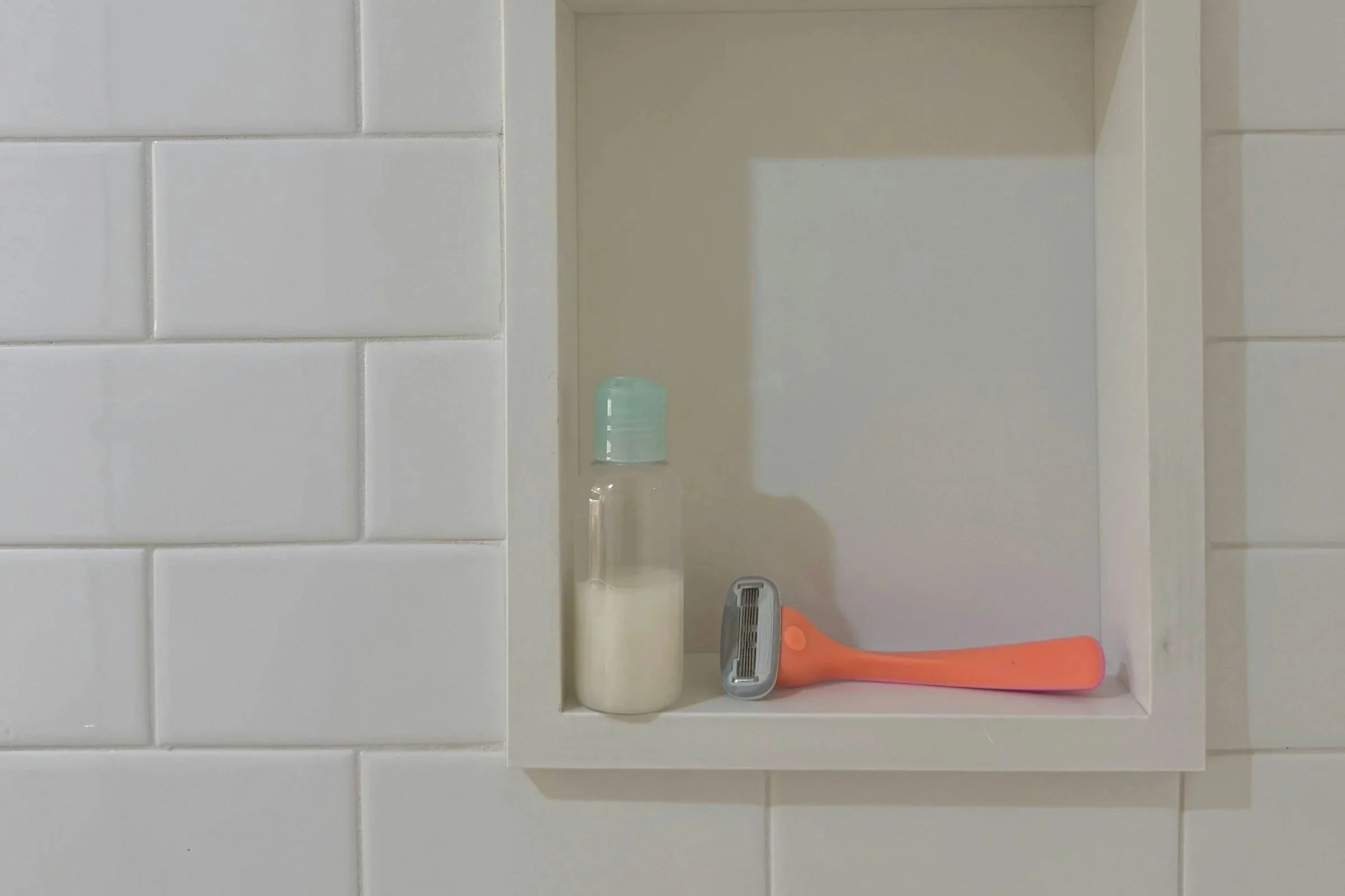
Shaving between waxes can make bumps and ingrowns worse for some people. It cuts the hair at the surface, often leaving a blunt edge. As that hair grows, it can feel prickly and may have a harder time coming through smoothly, especially in areas where hair is coarse or curly.
It also interrupts the waxing cycle. When you wax consistently, the goal is to catch more hairs in a similar growth phase over time. That can make appointments smoother and results more even. When you shave between appointments, you reset some of that progress. Then at your next wax, the hair may be at different lengths. Some hairs may be too short to remove well. Some may break instead of coming out cleanly.
Basically, the razor is the ex who keeps texting right when things are getting better. You might be tempted, but it usually does not help the long-term plan.
For best waxing results, many clients do well booking around every four weeks, depending on how fast their hair grows. Some need a little more time. Some can stay closer to a monthly rhythm. For first-time waxers or clients who have been shaving, the first few appointments are often about getting the hair on a better schedule. This is especially helpful for Brazilian waxing and bikini waxing because the hair in that area can be stubborn at first.
Hair Length Matters More Than People Think
Hair that is too short can be harder to wax cleanly. When wax cannot grip the hair well, the hair may break or get left behind. Broken hair can grow back sooner and may be more likely to feel prickly or get trapped.
A good general guide is to let the hair grow to about a half inch, which is often around 4+ weeks after shaving for many clients. Some people grow faster, some slower. If you’re not sure, ask before trimming or shaving.
Please do not panic-trim right before your appointment unless your waxer has specifically told you to. Over-trimming can make the hair too short, and then everyone is mildly disappointed in a very specific waxing way.
For body waxing, length matters too. Legs, underarms, chest, back, and arms all wax better when the hair is long enough to grip. Good removal starts before you even get on the table.
Friction: The Sneaky Little Bump Maker
Friction is one of the biggest things clients underestimate. The bikini line sits right where underwear seams, swimsuit edges, leggings, and shorts love to rub. Add sweat, heat, and freshly waxed skin, and bumps can show up fast.
Underarms deal with skin-on-skin friction and deodorant. Back and chest waxing clients may get friction from shirts, sports bras, backpacks, gym gear, or sleeping sweaty after a workout. You don’t have to live in a linen robe for a week, although honestly, not the worst idea. Just be thoughtful.
Right after waxing, choose breathable clothing when you can. Change out of sweaty clothes quickly. Shower after workouts once you’re past the initial post-wax window. Avoid letting saltwater, chlorine, sweat, and sunscreen sit on freshly waxed skin longer than necessary.
For San Diego beach days, timing your wax matters. Don’t book a Brazilian wax at noon and plan to jump into the ocean at two. Your skin deserves a little buffer. For vacations, pool parties, weddings, or beach weekends, booking a couple of days ahead is usually kinder to your skin than waxing at the last possible second.
Products Can Help, but They Are Not Magic
A targeted ingrown hair product can be helpful, especially if you know you’re prone to bumps. These products often work by helping exfoliate the skin, calm the look of irritation, or keep follicles clearer as hair grows back. The trick is using them consistently and not layering them with every other active product you own.
If you’re using exfoliating acids, retinoids, acne products, or strong body treatments, your skin may be more sensitive. That does not mean you can never wax, but it does mean you should talk to your waxer about what you use and where you use it. Certain products and medications can make skin more delicate and increase the risk of irritation or skin lifting.
Be honest about your routine. Your waxer is not there to judge your skincare shelf. We just need to know what your skin is dealing with. More product does not mean better aftercare. Sometimes the best post-wax routine is boring for a day or two, then consistent after that.
What Clients Commonly Do Wrong
Most post-wax bumps come from very normal mistakes. Clients exfoliate too soon, scrub too hard, wear tight clothing immediately after a Brazilian or bikini wax, go straight to the gym, sit in sweat, shave between waxes, pick at bumps, or wait too long between appointments. None of this makes you a bad client. It makes you human.
Another common mistake is only doing aftercare when bumps appear. Ingrown prevention works best before you’re annoyed. Think of it like brushing your teeth. You don’t wait for chaos and then start brushing with passion. You keep a routine so things stay manageable.
Some clients also use products that are too heavy for the area. Thick oils or rich creams may feel soothing, but on some skin types, they can trap sweat and buildup. Other clients use products that are too harsh, especially on the bikini area. If your skin burns, stings, peels, or stays irritated, that is not your skin getting used to it. That is your skin asking you to calm down.
And then there’s the classic mistake: booking only when things are desperate. Regular waxing usually gives better results than random waxing before a trip or event. Consistency helps hair cycles, lets your waxer learn your skin, and gives you a chance to fine-tune aftercare instead of guessing every time.
What Actually Helps Prevent Ingrown Hairs After Waxing
The best ingrown hair prevention routine is simple enough that you’ll actually do it. Let your skin calm down for the first day or two. Keep the area clean, dry, and breathable. Avoid heat, friction, pools, ocean water, intense workouts, and sun exposure right after waxing. Once the skin feels normal, start gentle exfoliation a few times a week. Moisturize regularly with something your skin tolerates well. Use an ingrown-focused product if you’re prone to bumps. Stay on a consistent wax schedule. Don’t shave between appointments. Don’t pick.
That’s the core routine. Nothing glamorous, just simple and effective.
For Brazilian and bikini waxing, pay extra attention to underwear, leggings, swimsuits, and workout timing. For body waxing, think about sweat, clothing, dryness, and how often you exfoliate larger areas like legs, back, chest, and arms. For underarms, be gentle with deodorant right after waxing and watch how your skin responds.
A professional waxer may also adjust technique based on your skin and hair. Some areas may need a different wax type, smaller sections, better skin support, or extra calming care afterward. That professional eye can make a real difference, especially for sensitive skin waxing in San Diego, where clients are often balancing beach life, workouts, sun exposure, and active skincare routines.
What Is Normal and When to Ask for Help
Some redness right after waxing can be normal. Tiny temporary bumps can happen, especially if your hair is coarse or your skin is reactive. Tenderness for a short period can also be normal. Most mild post-wax irritation settles with time, breathable clothing, gentle cleansing, and calm aftercare.
What you don’t want to ignore is irritation that keeps getting worse instead of better. If you notice severe pain, spreading redness, warmth, swelling, pus, fever, open sores, or a reaction that feels unusual for your body, contact a qualified medical professional. It’s always better to ask than to wait and worry.
For recurring ingrowns, bring it up at your next wax. Don’t be embarrassed. This is treatment-room conversation, not a confession booth. An experienced waxer can often spot patterns: too much friction, not enough exfoliation, over-exfoliation, shaving between visits, hair that needs more length, or products that may be irritating your skin.
How a Professional Waxing Studio Helps
A good waxing appointment is not just hair removal. It’s also education. At a professional studio, your waxer can look at your hair growth, skin sensitivity, and the areas where you tend to get bumps. They can talk through timing, aftercare, what to avoid, and whether your current routine is helping or causing more irritation.
For Brazilian waxing, bikini waxing, and body waxing, technique matters. So does making you comfortable enough to ask real questions. Ingrown hairs, bumps, shaving, sweat, periods, pregnancy, hair length, sensitive skin, awkward positioning. A no-judgment wax room makes it easier to get honest answers, and honest answers usually lead to better results.
Kiss And Makeup Now is in San Diego’s Clairemont/Bay Park area, serving clients from nearby spots like Pacific Beach, La Jolla, Mission Bay, Mission Valley, Point Loma, Kearny Mesa, Linda Vista, and beyond. Whether you’re a first-time Brazilian wax client, a monthly bikini wax regular, or someone booking body waxing before a trip, the goal is the same: help you feel informed, comfortable, and smooth without making the process feel intimidating.
Smooth Skin Likes Consistency
Preventing ingrown hairs after waxing is not about chasing perfection. Skin has texture. Hair grows in cycles. Bodies do body things.
But with the right routine, you can usually reduce the bumps, calm the irritation, and make regrowth easier to manage. Give your skin a calm first 24 to 48 hours. Exfoliate gently once it’s ready. Moisturize. Avoid picking. Skip the razor between waxes. Book consistently. Ask questions when something feels off.
Whether you’re coming in for a Brazilian wax, bikini wax, underarm wax, leg wax, back wax, chest wax, or another body waxing service, aftercare is part of the result. The wax gets the hair out. Your routine helps the skin stay happy while it grows back.
And when in doubt, ask your waxer. There is no awkward question here. Ingrowns are common, preventable in many cases, and absolutely something we can talk about without making it a whole dramatic episode.
Smooth skin is the goal. Calm skin is the real win.